
Άρθρο: Kimchi Recipe
Kimchi Recipe
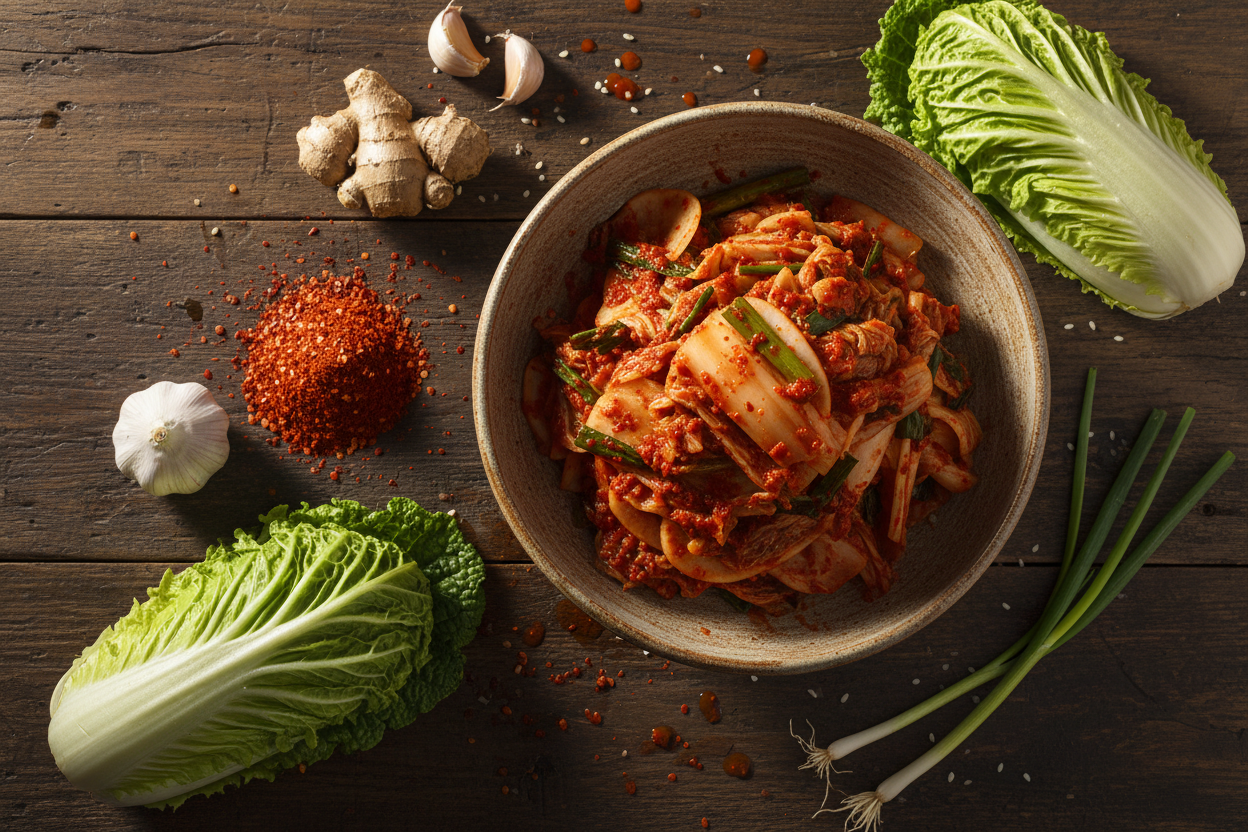
Kimchi, the iconic fermented cabbage dish from Korea, is not just a side dish; it's a cultural phenomenon. Bursting with complex flavors, a delightful crunch, and a bit of heat, kimchi has been a staple in Korean cuisine for centuries. While you can find kimchi in stores, making it at home allows you to customize the flavors and experience the satisfaction of creating this beloved condiment from scratch. In this blog post, we'll take you on a journey through the world of kimchi-making, from the ingredients and preparation to the fermentation process.
Ingredients:
Before we delve into the art of making kimchi, let's gather the essential ingredients. The traditional Napa cabbage kimchi requires the following:
-
Napa cabbage: You'll need a medium-sized Napa cabbage, which is mild and slightly sweet.
-
Coarse sea salt: This is used for salting the cabbage to draw out moisture.
-
Daikon radish: These are typically used for making kimchi, and they provide a fresh crunch.
-
Korean red pepper flakes (Gochugaru): The spice level of kimchi is determined by the amount of Gochugaru used.
-
Garlic and ginger: Fresh garlic and ginger add depth of flavor to the kimchi.
-
Fish sauce or soy sauce: These umami-rich condiments enhance the overall taste.
-
Sugar: A bit of sweetness balances the flavors.
-
Green onions: Adds a mild onion flavor and a touch of color.
-
Carrots: For a pop of color and texture.
-
Water: Used to create a seasoning paste.
The Preparation:
-
Cabbage Preparation: Cut the Napa cabbage in half lengthwise and then into bite-sized pieces. Sprinkle them with salt and allow them to sit for about 2 hours. This process softens the cabbage and draws out excess moisture.
-
Rinse and Drain: After 2 hours, rinse the cabbage thoroughly to remove the salt and let it drain in a colander.
-
Seasoning Paste: Create a seasoning paste by combining Gochugaru, minced garlic, minced ginger, fish sauce or soy sauce, sugar, and water. Adjust the amount of Gochugaru to achieve your desired level of spiciness.
-
Mix: Add the radish, green onions, and carrots to the seasoning paste, and mix everything together.
-
Coat the Cabbage: Thoroughly coat the cabbage with the seasoning paste mixture. Make sure every piece is evenly coated.
Fermentation:
The key to kimchi is fermentation. Here's how you do it:
-
Pack It In: Place your seasoned cabbage into a clean, airtight container. Tamp it down to remove air bubbles and ensure the cabbage is tightly packed.
-
Fermentation Time: Leave your kimchi at room temperature for about a day, checking for desired fermentation level. If it's summer, the fermentation will be quicker; in cooler weather, it might take longer.
-
Refrigeration: Once your kimchi has reached your preferred level of fermentation, transfer it to the refrigerator. This slows the fermentation process but enhances the flavors over time.
-
Enjoy: Your homemade kimchi will be ready to enjoy within a few days, and it can last for months in the refrigerator.
Conclusion:
Making kimchi at home is a rewarding culinary adventure that connects you with the rich history and vibrant flavors of Korean cuisine. It's not just a condiment; it's an art form. Experiment with different ingredients and spice levels to tailor your kimchi to your preferences. Whether you enjoy it as a side dish, in a spicy stew, or as a topping for countless Korean dishes, the delicious and probiotic-rich kimchi will surely become a staple in your culinary repertoire. So, put on your apron, gather your ingredients, and start fermenting your way to a taste of Korea in your very own kitchen!


Αφήστε ένα σχόλιο
Αυτή η τοποθεσία προστατεύεται από το hCAPTCHA και ισχύουν η Πολιτική απορρήτου και οι Όροι Παροχής Υπηρεσιών του hCaptcha.