
A Guide to Fermenting Wild Foods
The practice of fermenting wild foods not only allows you to harness the flavours and nutritional benefits of nature but also connects you with ancient traditions of food preservation. In this blog post, we'll explore the art of fermenting wild foods, from foraging and preparation to the fascinating process of fermentation.
Foraging Responsibly:
Before you embark on your wild food fermentation journey, it's crucial to forage responsibly. Here are some essential tips:
-
Identification: Ensure you can accurately identify the wild plants you intend to collect. Use reputable field guides or seek guidance from experienced foragers.
-
Sustainable Harvesting: Only take what you need, and leave behind enough for the ecosystem to thrive. Be respectful of protected areas and local regulations.
-
Cleanliness: Forage in areas free from pollution, pesticides, or contaminants. Wash and inspect your finds thoroughly.
-
Biodiversity: Do not overharvest a single species, as this can harm local ecosystems. Diversify your foraging.
Common Wild Foods for Fermentation:
Wild foods vary by region, but some popular options for fermentation include:
-
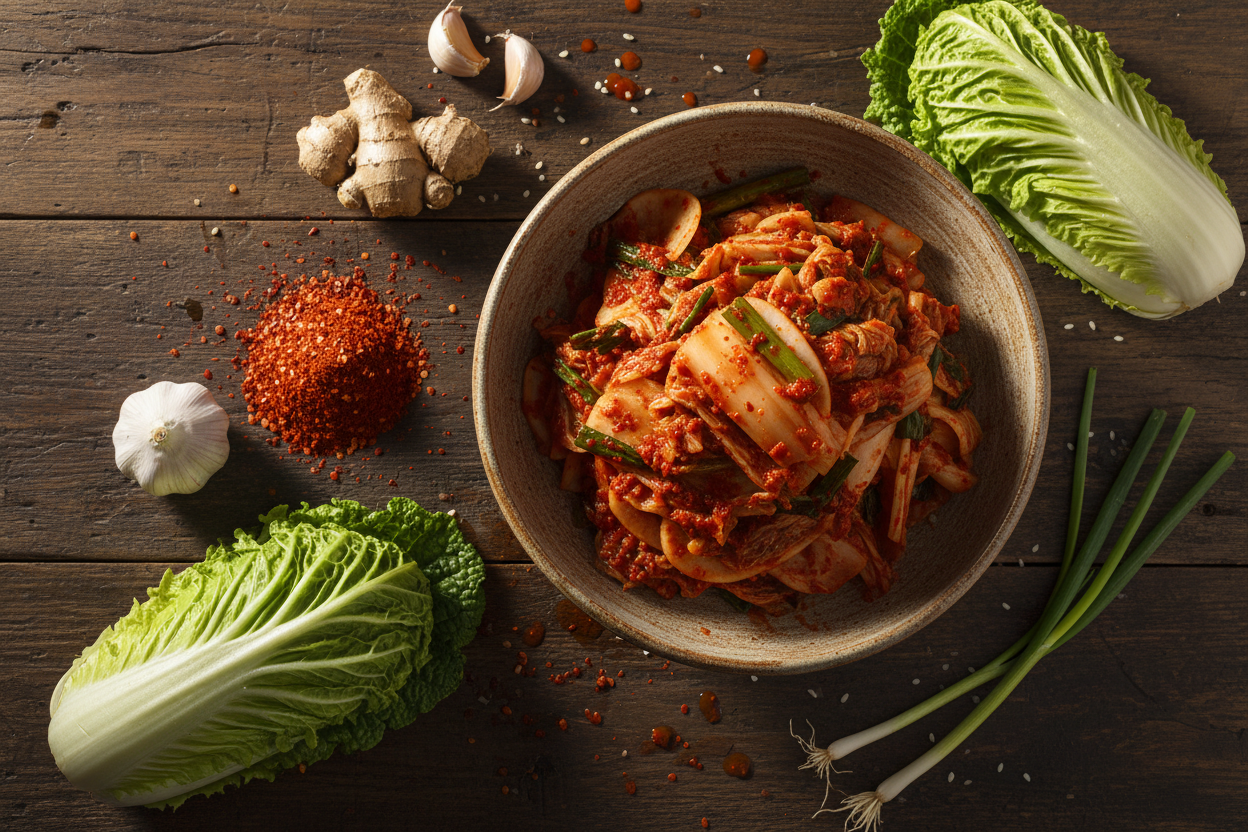
Wild Greens: Dandelion greens, lamb's quarters, and wild mustard are perfect for making fermented pestos or kimchi.
-
Berries: Blackberries, elderberries, and wild grapes can be used for fermented jams, jellies, or wine.
-
Mushrooms: Many wild mushrooms, such as morels, chanterelles, and porcini, can be fermented or pickled.
-
Herbs: Wild herbs like wild garlic, nettles, and purslane can be used in fermented sauces or to infuse vinegars.
The Fermentation Process:
Once you've gathered your wild ingredients, it's time to start fermenting:
-
Prepare the Ingredients: Clean, wash, and chop your wild foods as needed. Remove any tough stems or inedible parts.
-
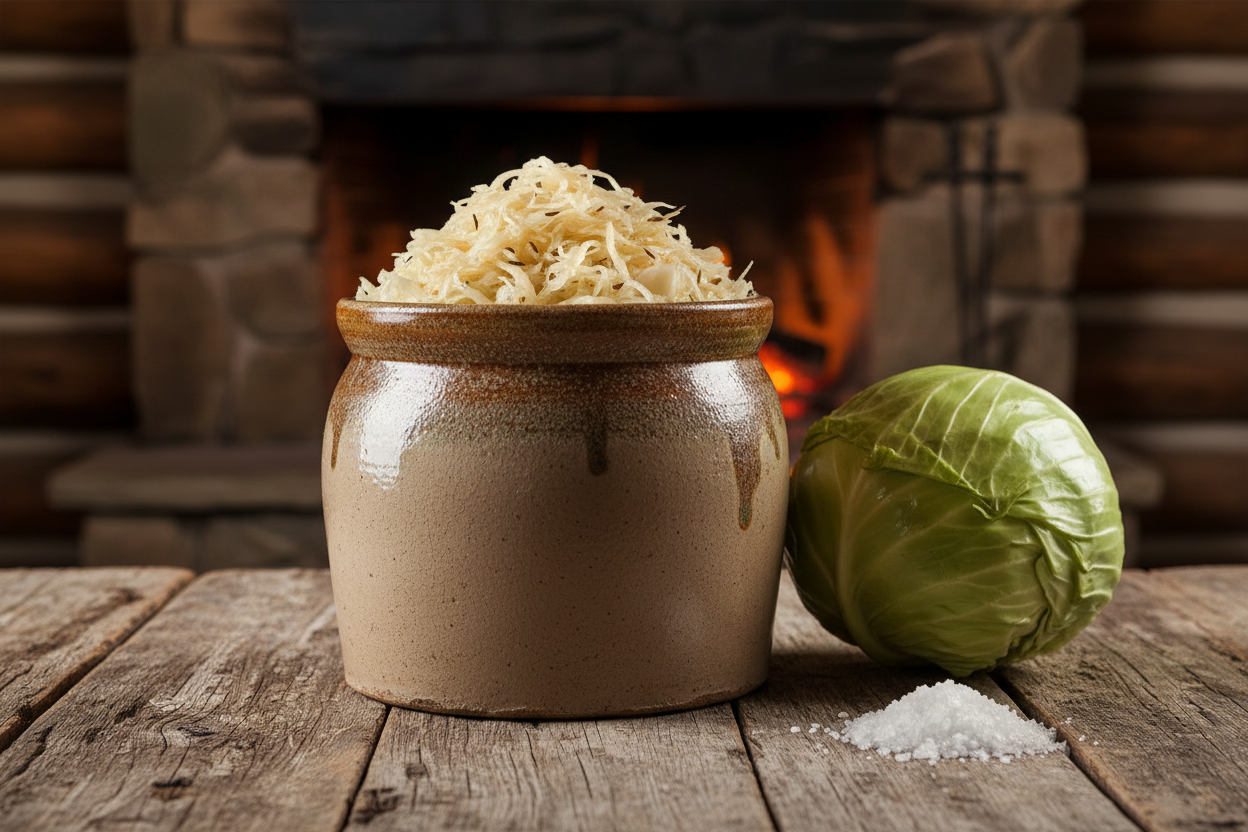
Create a Brine: For most wild food ferments, you'll need a brine solution made of salt and water. The exact ratio of salt to water depends on your specific recipe but generally falls between 2-3% salt to water.
-
Pack the Container: Place the prepared wild foods into a clean, sterile fermentation vessel, such as a glass jar or crock.
-
Add Flavorings: Enhance the flavor by adding herbs, spices, or aromatics like garlic or ginger.
-
Cover and Weight: Ensure your wild foods are submerged in the brine, use a fermentation weight to keep them under the liquid. Cover the container with a lid or cloth secured with a rubber band.
-
Fermentation Time: Allow the wild foods to ferment at room temperature for a specific duration, which can vary from a few days to several weeks, depending on the food type and the desired flavour profile.
-
Taste and Store: Once you achieve the desired level of fermentation, taste the wild foods. If they are to your liking, transfer them to the refrigerator to slow the fermentation process. If not, continue fermenting until they reach your preferred flavour.
Fermenting wild foods is a great way to explore the natural bounty around us while preserving flavours and enhancing nutritional value. It connects us to ancestral traditions and allows us to create unique, artisanal condiments, preserves, and side dishes. As you delve into the world of wild food fermentation, remember to forage responsibly, prioritize safety, and revel in the wild and wonderful flavours nature provides. So, embrace the wild, discover new tastes, and embark on your journey as a wild food fermenter.

Leave a comment
This site is protected by hCaptcha and the hCaptcha Privacy Policy and Terms of Service apply.