
Shou sugi ban: the old Japanese method of preserving wood with fire
Nine years ago I charred two red pine boards using this method and left them on the ground near the cabin. No shelter, no protection, nothing. I wanted to see what would actually happen, not what a product label promised would happen. I came back to them recently, and they are still in solid shape. That result tells you most of what you need to know about shou sugi ban, sometimes called yakisugi, before I explain a single step of how it is done.
The idea is simple enough to say in one sentence. Burn the surface of a board until it forms a layer of carbon, and that carbon layer protects the wood underneath from rot, insects, and weather for years, without a drop of chemical treatment involved. Japanese builders used this on cedar siding for centuries, long before anyone was selling a sealant in a can. I use it here on exterior boards for the same reason they did. It works, and it does not ask anything of me beyond fire, oil, and a bit of patience.
The science of it is straightforward once you have watched it happen a few times. Wood is not uniform. The soft, fast growing earlywood burns quicker and deeper than the dense latewood that grows later in the season, and that difference in burn rate is what carves the grain pattern up out of the surface as you char it. Brush away the loose char afterward and you are left with a board that is not just protected, it is textured in a way that catches light differently than anything you would get from stain or paint.
There are two ways I have done this, and both get you to the same place.
The traditional method stands three boards together in a triangle, forming a kind of chimney, and a fire lit at the base draws flame up through the inside faces of all three at once. It is the older approach, and it gives you a slightly more irregular, natural char, but it asks for real attention. You are watching three faces at once, judging by eye when each one has taken enough. The simpler method, and the one I would actually recommend to someone doing this for the first time, is a propane torch or a weed burner moved steadily across the board. It takes longer to cover the same area, but it gives you far more control, and control is worth more than authenticity on your first attempt.
Either way, the actual process runs the same course. Start with clean, dry softwood. Cedar is the traditional choice and still the best one, though red pine and cypress both take the treatment well, and red pine is what I had on hand for that first test nine years ago. Char the surface fully, working outside on ground that will not catch, with water within reach the entire time. This is open flame work, and it deserves the same respect you would give a chainsaw or a splitting maul. Stay with it. Do not walk away from a board that is still smoking.
Once the board has cooled, and only once it has fully cooled, scrub it hard with a stiff or wire brush. This is the step people rush, and it is the step that actually reveals the finished surface. The loose soot comes away, and the grain that the fire carved out underneath it finally shows itself. A light rinse afterward clears whatever dust is left, though it is not strictly necessary.
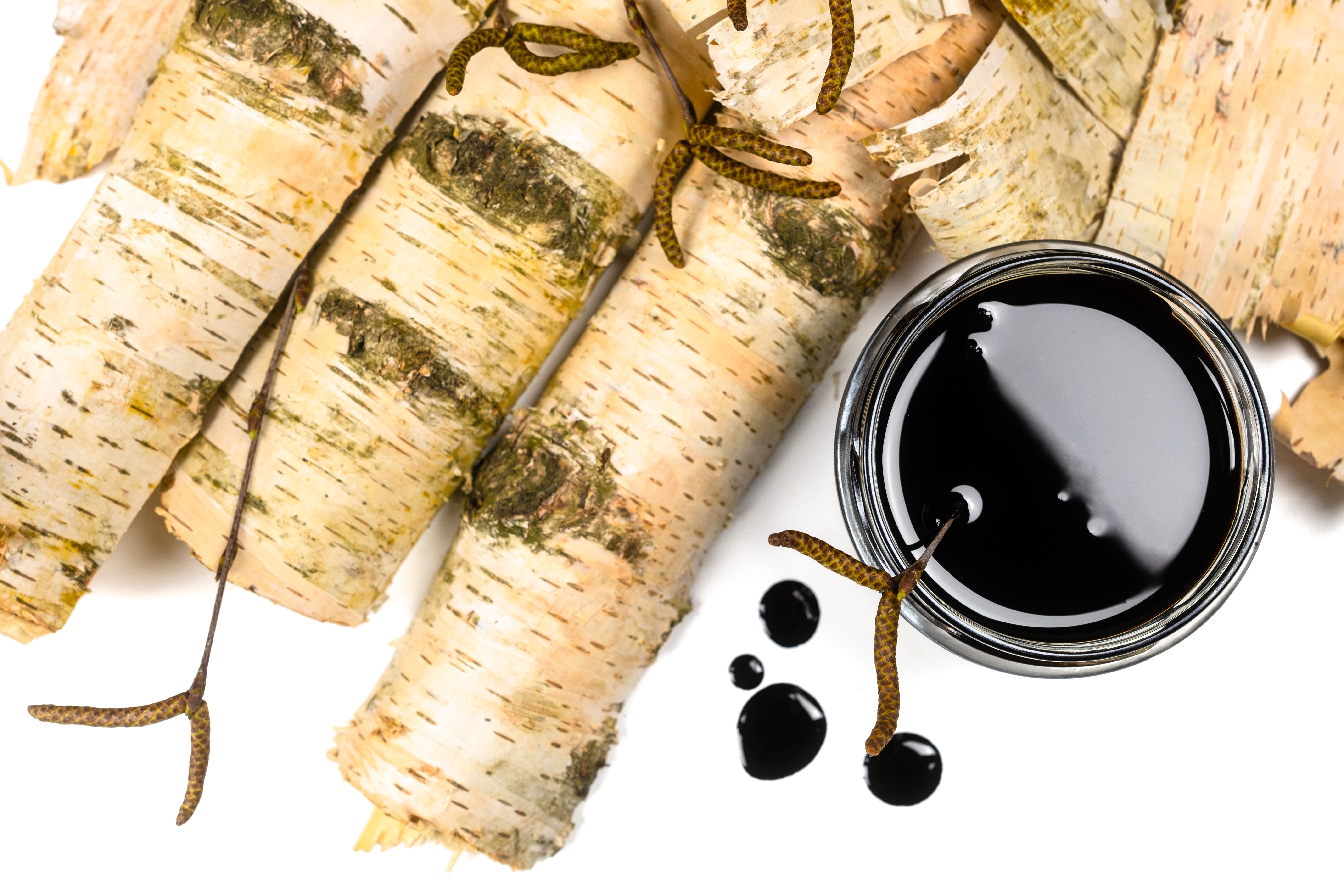
Last comes the oil. I use boiled linseed or tung oil, worked into the charred surface once it is dry. The oil does three things at once. It darkens the char further, it seals the wood against moisture from the outside in, and it brings the grain contrast up in a way that a dry char never quite achieves on its own. Let it cure fully before the boards go up. That patience at the end matters as much as the patience during the burn itself.
How dark you take the char is a real choice, not just a matter of technique. A light char keeps more of the grain visible and gives a warmer, more brown-black finish. A heavier char, pushed further, builds a thicker protective crust and a deeper, almost pure black finish, at the cost of some of that visible grain detail. Neither is more correct than the other. It depends what you are building and what you want it to look like ten years from now.
Softwoods are genuinely the better candidate here, since the gap between earlywood and latewood is more pronounced and gives the fire more to work with. Hardwood can be charred too, but the effect is subtler, and it asks for more careful heat control to get an even result.
What I keep coming back to with this method is how little it asks of the modern world to work. No chemical treatment, no specialty product, nothing you cannot do with a torch or an open fire, a wire brush, and a can of oil you probably already have on the shelf. It is a genuinely old technique that still holds up against anything currently sold as an improvement on it. Nine years on the ground with no protection at all is a fairly honest test, and those boards passed it.
Fire, wood, oil, and patience. Sometimes the oldest way of doing something is still the one worth doing.
— Shawn
myselfreliance.com
To watch the full video of this process in action; https://youtu.be/rOY9fRSNLic

Laisser un commentaire
Ce site est protégé par hCaptcha, et la Politique de confidentialité et les Conditions de service de hCaptcha s’appliquent.